What Is Cybersecurity? The Different Types Of Cybersecurity

In the present digital era, securing systems and sensitive information from cyber-related risks is important. Cybersecurity is the action of protecting computers, networks, and data from criminal or unauthorized access, destruction, or theft. With the increasing capability of cyber attackers, individuals, and businesses must remain aware of the threats. These attacks or threats can be eradicated adequately with the help of cybersecurity solutions.
Knowing the types of cybersecurity will assist you in developing a solid strategy for protection and help you fight against a breach or attack. When businesses require expert protection, a reputable cybersecurity company in Dubai can provide scalable solutions for cybersecurity. In this blog, we will be discussing what cybersecurity is and the types of cybersecurity that you should know.
Table of Contents
What Is Cybersecurity?
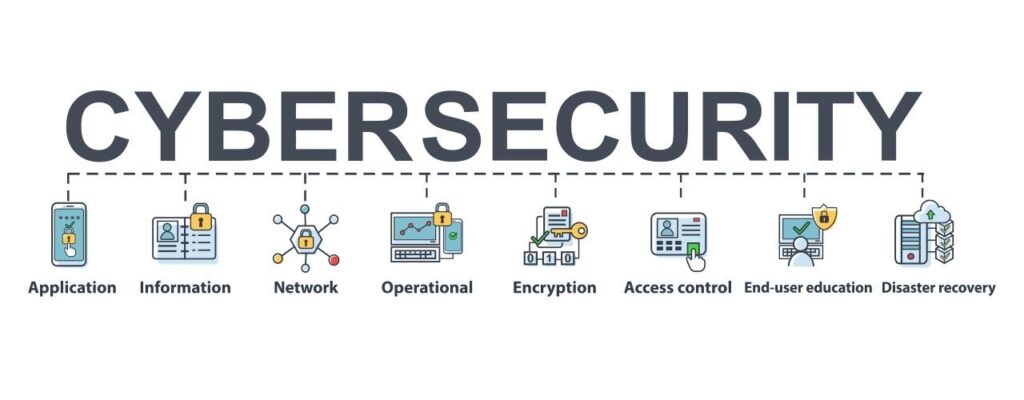
Cybersecurity is the practice of protecting computer systems, networks, and data from digital attacks, theft, or damage. Cybersecurity is a set of processes, methods, tools, and behaviors that protect computer systems, networks, and data from cyberattacks and unwanted access. Even though the domain is largely technically based, the efficiency of cybersecurity depends heavily on people.
People can introduce vulnerabilities into computer systems via human error, lack of care or negligence, or not being aware. By adhering to best practices, staying updated, and following precise security measures, the person serves a key role in preventing breaches and eventually protecting a computer system.
Different Types of Cybersecurity

Cybersecurity is not a single solution but a range of different approaches put together. These approaches of cybersecurity work together to provide protection to users, systems, networks, and data from every angle and reduce risk exposure. Let’s understand these key types of cybersecurity in detail:
1. Cloud Security
Cloud security contains everything that is stored and used in the cloud, like data, apps, and infrastructure, to protect against cyberattacks. To ensure their safety, enterprises use the best cybersecurity solutions based on specialized companies. A reputable company can offer the necessary tools and services to stop data leaks, mitigate targeted attacks, and manage safety within cloud environments to create secure access to important business resources.
2. Network Security
Network security protects the systems, devices, and data that connect through the internet or internal and private networks. Network security protects data as it flows between devices. A cybersecurity company in Dubai can provide the best solutions, like firewalls, encryption, and intrusion prevention. These solutions make sure that your network is adequately strengthened.
3. Endpoint Security
Endpoint security protects devices such as laptops, desktops, and mobile devices from business networks. With remote and hybrid work becoming common, it is more important than ever to secure every singular device. Portable device security would generally have less security than stationary ones and should be secured accordingly, but they also include a variety of functionalities like antivirus, EDR, and anti-ransomware programs, all of which rely on a zero-trust methodology that verifies and monitors all endpoints.
4. Application Security
Application security is maintainable by securing the application software from everything from being compromised to malicious performers. Web Application Firewalls (WAFs) will block harmful internet traffic, programmed responses to malicious software, and unauthorized cross-site scripting (XSS) code. Working with a qualified company will give you access to the best security service features to keep your applications and sensitive data safe.
5. Zero Trust Security
Zero trust security means that no user or device can ever be trusted by default, regardless of whether they are inside or outside of the organization’s network. Every access request is verified using logical and strict security checks. The best cybersecurity solutions make use of access controls, continuous monitoring, and strict identity verification.
6. IoT Security
IoT security secures the Internet of Things. This means to secure internet-connected devices like smart sensors, cameras, and more, from being utilized to initiate cyberattacks. IoT devices are often very commonly used in business today and are vulnerable. IoT security is not only there to lessen attacks on these devices but also to protect the whole network data by keeping it from intrusion into the overall network and business data.
7. Mobile Security
Mobile security secures smartphones and tablets that access corporate data. The mobile security best practice today is to secure smartphones and tablets, which are heavily targeted by cyber threats such as phishing, malware, and zero-day attacks. Key solution approaches include mobile threat defense and MDM solutions; the best approach would deny harmful apps and prevent unauthorized or dangerous access.
The Evolution of the Cyber Security Threat Landscape

To remain safe and sound, organizations need innovative defenses and timely threat intelligence. Cyber threats have developed in five generations:
- Gen I: Viruses that infected standalone PCs drove the development of antivirus software.
- Gen II: The emergence of Internet attacks drove the development of firewalls.
- Gen III: Application vulnerabilities caused the deployment of intrusion prevention systems (IPS).
- Gen IV: Advanced malware infections caused the applications of anti-bot tools and some use of sandboxing (ISAC, 2022).
- Gen V: Today, widespread, sophisticated, multi-vector attacks require advanced, integrated threat prevention mechanisms.
Key Cyber Security Trends

Here are some key cybersecurity trends that businesses must be aware of:
1. AI-Powered Malware
Cybercriminals are now incorporating machine learning into their attacks to be able to inject malware in real time and evade all traditional detection. A cybersecurity company in Dubai uses advanced detection techniques to combat these intelligent and self-evolving threats.
2. CNAPP
CNAPP (Cloud-Native Application Protection Platform)provides a unified set of cloud security capabilities in a single solution and merges different tools, which increases visibility over potential threats. CNAPP can reduce security operations costs and attacks against cloud-native applications that are constantly evolving with multi-layered cyber threats.
3. Cloud Container Vulnerabilities
Containers increase agility and speed, but a malicious performer can expose weaknesses. A malicious performer can attack one container to access the company’s core systems. A cybersecurity company in Dubai has professional experts to ensure the proper and secure management of containers and to continuously monitor for vulnerabilities.
4. Hybrid Mesh Firewall Platforms
This would centralize many types of firewalls into an integrated system that can create custom policies across multiple environments. Hybrid-mesh firewalls can be managed from a single source and scale, allowing the control and security of the entire on-premises and cloud environments.
5. Comprehensive Protection
Today’s threats can target everything, including endpoints, mobile devices, IoT, and remote employees. A cybersecurity company in Dubai can provide comprehensive protection over its digital assets and adjust to constantly changing threat landscapes.
The Need for a Consolidated Cyber Security Architecture

Here is why businesses in Dubai, UAE, need a consolidated cybersecurity architecture:
- More Complex Systems: Company networks already include office servers and cloud services, which are more complex today. It’s harder to keep everything secure and apply the same security policies across these systems.
- Smarter Attacks: The hacking landscape has advanced more quickly than our capabilities to defend against it. Hackers are using more advanced methods, and old security tools cannot keep up and detect these attacks. Stopping these attacks needs richer visibility and more effective investigation tools.
- Many Devices: Employees don’t just use work computers. They use smartphones, tablets, and even personal devices. Some of these fall outside the company’s control but should still be protected. A reliable cybersecurity company in Dubai can help you with this.
- Remote Work: The COVID-19 pandemic has transitioned many people to working from home or hybrid work. Companies must now protect in-office and remote workers.
Achieving Comprehensive Cybersecurity with Bluechip Gulf
Bluechip Gulf is the premier IT solutions company in Dubai that provides the best cybersecurity solutions for present-day evolving threats. From network and cloud security to endpoint protection and zero trust architecture, Bluechip Gulf offers secure, tailored, and scalable security frameworks.
Our expert team provides continuous threat monitoring and alerting, manual and automated vulnerability assessments, and fast incident response. Our team understands cybersecurity in the UAE and helps organizations to develop resilient cyber defenses by employing advanced technology and a proactive approach.