


Insider Threats – How DLP Protects Companies From Internal Risks

Data is a company’s most valuable asset in the digital age. It contains all of the information that makes a business competitive, including financial records, customer information, trade secrets, and future plans. Most people associate cyber threats with masked hackers attempting to gain access to the system from the outside. But what if there is already internal danger?
This is the difficult reality of insider threats.
Table of Contents
Understanding the ‘Enemy Within’ – The Insider Threat
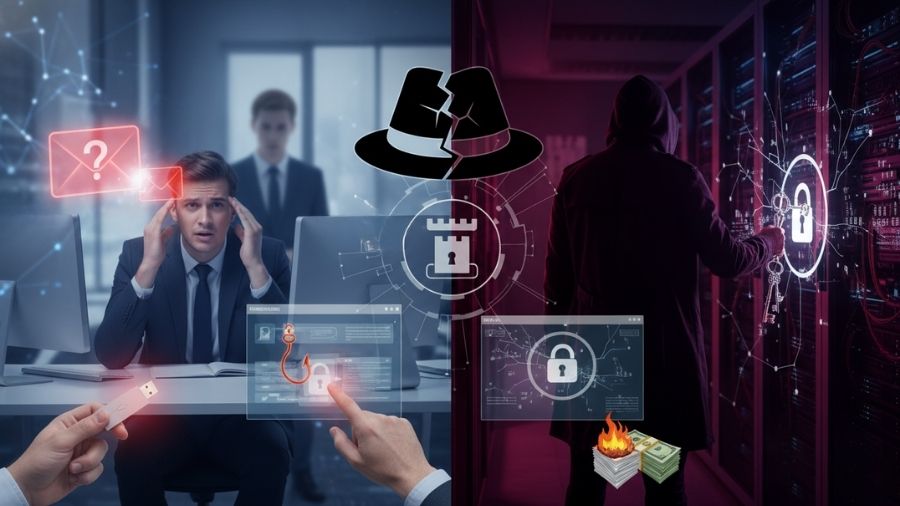
It’s not always the case that an insider threat is a villain in a black hat. A person with authorized access to an organization’s systems and data poses a security risk. This individual may be a contractor, a business partner, or a former or current employee.
The first step in building a robust defense is to comprehend the two primary categories of insider threats –
1. The Negligent Insider (The Accidental Risk)
The majority of insider incidents are the result of human error rather than malice. Sensitive information is at risk due to this person’s negligence, even though they have no intention of hurting the business.
- The Error – Inadvertently sending a private client list to the incorrect person via email.
- The Shortcut – Keeping confidential data on an unencrypted USB drive.
- The Oversight – The oversight was falling for a phishing email, which allowed outside hackers to gain access to the company’s network.
2. The Malicious Insider (The Intentional Threat)
This person intentionally misuses their access to steal, sabotage, or divulge information. They may be motivated by personal retaliation (a disgruntled employee sabotaging systems before leaving) or financial gain (selling trade secrets to a rival).
The fact that the individual already has the castle’s keys makes the threat extremely dangerous. They are aware of the locations of the most important data, how to access it, and which security precautions to take.
The Shield – Introducing Data Loss Prevention (DLP)
How do you prevent authorized users from accessing your data? Data Loss Prevention (DLP) is the solution.
DLP is a tactic and a collection of tools intended to prevent sensitive data from being misplaced, abused, or accessed by unauthorized individuals. Consider DLP as a digital security guard that keeps an eye on your data and imposes stringent guidelines on its use, sharing, and mobility.
Implementing strong data loss prevention services Dubai is now essential for businesses in the UAE, particularly in fast-paced hubs like Dubai, in order to safeguard your assets and ensure compliance with national and international data protection laws. Businesses that specialize in these crucial security solutions, such as Bluechip Computer Systems, provide professional data loss prevention UAE services that are customized to meet the unique requirements of the area.
How Does DLP Work in Simple Terms?

The DLP strategy follows three essential steps –
1. Identify – Knowing Your Crown Jewels
What you do not know you possess cannot be protected. Data discovery and classification are the first and most important steps in DLP.
- DLP tools search for sensitive data on all of your storage devices, including servers, laptops, cloud folders, and email archives.
- This data is then categorized: Like passport numbers, is it Personally Identifiable Information (PII)? Like a payroll sheet, is it a financial document? Is intellectual property comparable to a blueprint for a design?
2. Monitor – Watching the Digital Flow
The DLP system continuously tracks the data’s movement (or attempts to move) throughout the company after it has been classified. DLP works in three main domains –
- Data in Use (Endpoint DLP) – User activity on devices is tracked by Data in Use (Endpoint DLP). For instance, it keeps track of whether an employee attempts to print a confidential document or copy a classified file to a USB drive.
- Data in Motion (Network DLP) – All data leaving the company network, including emails, web uploads, and network traffic, is scanned by Data in Motion (Network DLP). It searches for sensitive data being transmitted via unapproved channels.
- Data at Rest (Storage DLP) – Verifies that all data stored on servers and in the cloud is appropriately categorized, protected, and kept in the appropriate location.
Key Features of a Modern DLP Solution
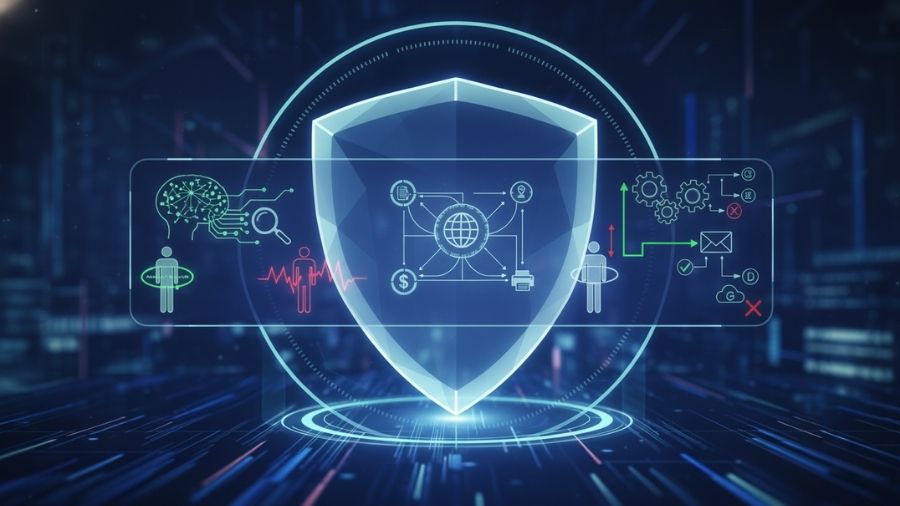
A complete DLP platform, such as those provided by Bluechip Computer Systems, combines cutting-edge capabilities to fight both careless and malevolent insiders –
1. User Behavior Analytics (UBA)
This is DLP’s detective work. To determine what is “normal” for each employee, UBA employs machine learning (ML) and artificial intelligence (AI). For instance, a salesperson downloads client contracts on a regular basis. This is typical.
However, the system detects this anomaly and marks the activity as a high-risk indicator of a possible malicious insider threat if the same salesperson abruptly begins accessing files from the Finance department at three in the morning.
2. Contextual Controls
DLP considers who is using the data, where they are, and why, in addition to what the data is. “A financial controller is permitted to email a budget report to a leader, but a junior intern is barred from printing the same report, even if they have read access” is an example of a policy. This guarantees that information access is determined by the user’s needs rather than just their job title.
3. Granular Policy Management
Rules in a DLP system can be extremely detailed. A rule such as “Permit employees to share records through the official corporate email, but stop all attempts to upload any organized file to personal drives like Google Drive or Dropbox” could be set up. This keeps information inside the company’s secure walls.
The Business Value of DLP – Why Invest?
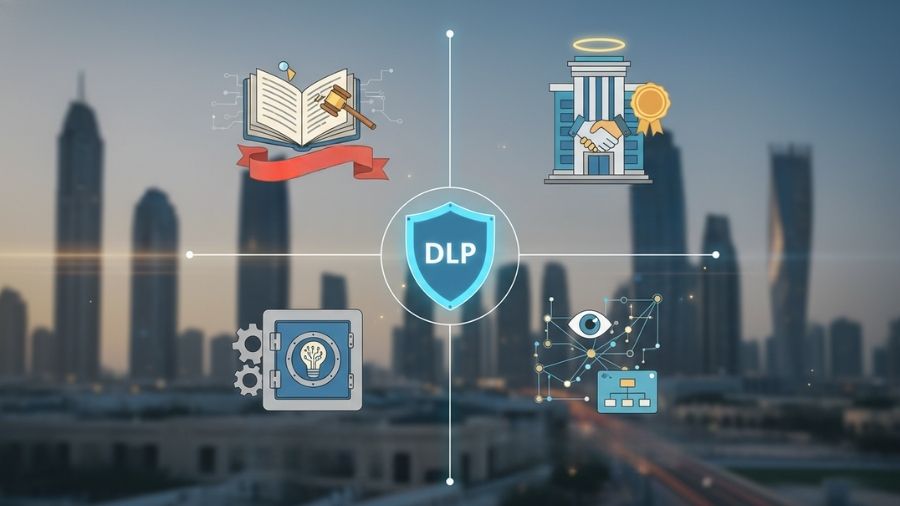
Purchasing reliable data loss prevention services Dubai offers real business benefits in addition to security –
1. Regulatory Compliance – Data protection is a priority for the UAE. DLP assists businesses in complying with regional laws and global norms (such as GDPR or HIPAA) in order to prevent severe penalties and legal ramifications.
2. Reputation Protection – Customer trust can be seriously harmed by a data breach, particularly if it is the result of an insider. DLP protects your brand by demonstrating to partners and clients that you take data security seriously.
3. Preserving Your Competitive Advantage – DLP prevents rivals from stealing your Intellectual Property (IP), which includes product designs, algorithms, and business plans.
4. All-encompassing Visibility – DLP provides you with a comprehensive view of the data flow within your company, enabling you to pinpoint vulnerabilities and apply training where it is most necessary to address unintentional leaks.
Partnering for Protection

Specialized knowledge is needed to combat insider threats. You need a partner who is familiar with the local regulatory environment and threat landscape.
Bluechip Computer Systems is a reputable supplier of state-of-the-art data loss prevention UAE solutions. They assist companies in putting into practice efficient strategies that identify and reduce risks from both careless and malevolent insiders by utilizing cutting-edge DLP technology and local knowledge. Selecting the best DLP partner entails more than just purchasing software; it also entails hiring a committed security team that is committed to safeguarding your future.
Your security perimeter is only as strong as your weakest link in a time when your workers are on the front lines. You can create a robust, intelligent layer of defense that works beyond the firewall by putting in place a sophisticated DLP program. This will guarantee that your company’s sensitive data is safe, compliant, and out of the wrong hands—including those on your own team.
Also Read: Home Security Camera Installation In Arabian Ranches, Springs & Meadows