

What Is Information And Communication Technology (ICT) 2026?

Technology is becoming an integral component of how organisations function rather than just a support tool. From how we interact to the way we take actions, Information and Communication Technology (ICT) and other digital tools are shaping every aspect of the modern enterprise. Behind all the innovation, there’s one concept that brings it all together — ICT, or Information and Communications Technology.
But what is information communication technology and why does it matter today?
At Bluechip Gulf, we believe understanding information and communications technology is fundamental to navigating the modern landscape. In this blog, we’ll explain what ICT includes, how it differs from traditional IT and why it plays a crucial role in today’s digital economy.
Table of Contents
What Is ICT (Information and Communications Technology)?

Information and Communications Technology (ICT) is the combination of information technology (IT) and telecommunications systems to enable the efficient handling of data and communication. The key objective of ICT is to advance how humans develop, analyse and exchange data to enhance performance in areas like finance, education, healthcare and everyday life.
The scope of ICT (Information and Communications Technology) is vast, covering everything from email and video conferencing to artificial intelligence (AI) and the Internet of Things (IoT). It’s the driving force which serves as the foundation of the modern digital society to enhance customer experiences.



What Technologies Are Included in ICT?
Information and communications technology (ICT) refers to all of the tools and systems that allow people to communicate and exchange information. This includes traditional technologies like landline telephones, radio, and television, which still play a role in connecting people.
However, digital technologies like the cell phones, internet and wireless networks are the main focus of ICT these days. We can stay connected at any time and from any location because of these devices. Important ICT tools also include video conferencing and online collaboration platforms that support remote communication and teamwork.
In addition, newer technologies are expanding the ICT landscape. These include the Internet of Things (IoT), which links everyday objects to the internet, and innovations like virtual reality (VR) and the metaverse that create new digital experiences. Faster mobile networks like 5G and upcoming 6G improve connectivity, while cloud computing enables easy access to data and applications online.
ICT vs. IT – Key Differences Explained

While the terms IT and ICT are frequently used collectively but there is a minor yet notable difference between the two –
- Information Technology (IT): IT has traditionally focused more on the technology and software that are used to send, store, retrieve, and modify data. Its primary emphasis was on the technology itself and its efficient operation. Think of IT as the foundation – the servers, networks, and applications.
- Information and Communications Technology (ICT): ICT is a broader term that includes everything in IT but also focuses on how information is shared and communicated. ICT covers not just data processing but also communication tools like phone networks, the internet, and video conferencing systems. So, while IT is about technology itself, ICT is about both technology and communication combined.
IT serves as an ICT subset. All IT is part of ICT, but not all ICT is solely IT. For example, telecom networks are part of ICT but go beyond traditional IT tasks. For businesses wanting complete support for their technology and communication needs, choosing an IT AMC Dubai provider who understands the full scope of ICT is very important.
Core Components of ICT You Should Know
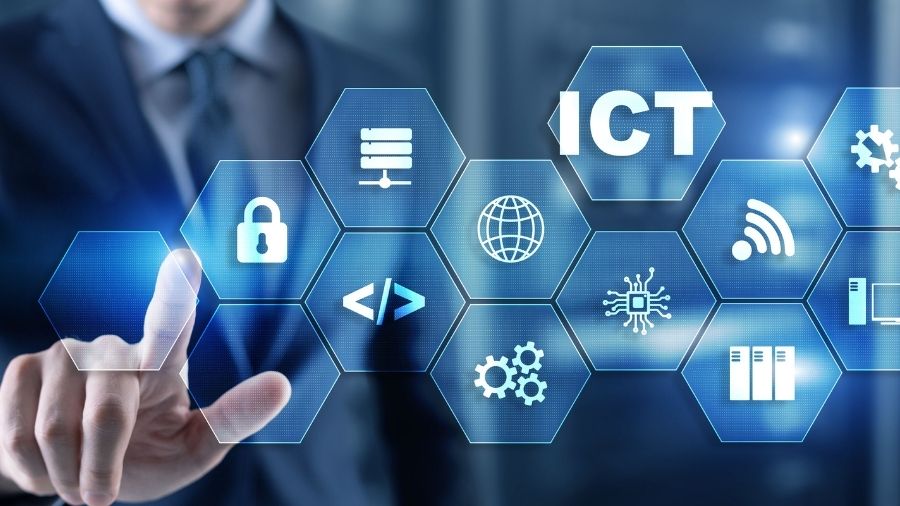
To better understand the practical application of ICT, it’s helpful to break it down into its core functional components –
- Hardware: Hardware means the physical equipment you can touch like computers, monitors, keyboards, printers, smartphones and tablets. These devices let us enter data, run programs, and share information with others.
- Software: Software is the collection of applications that people employ to carry out particular tasks. This ranges from operating systems and productivity software to specialized business applications. Without software, hardware can’t function properly.
- Services: ICT services cover the delivery and management of all technology resources. This includes cloud services (IaaS, PaaS, SaaS), managed IT services, cybersecurity services, and help desks that assist users when something goes wrong.
- Data: Data is the starting point. This component covers how data is created, stored, processed, analyzed, and kept secure. On their own, they may not mean much, but they are important because they are used to create useful information.
- People: The human aspect is sometimes ignored but is critical. This includes system administrators, IT professionals, network engineers, developers, and end-users who interact with and leverage ICT systems. Their skills and training are vital for successful ICT implementation and utilization.
- Processes: Procedures are the steps or rules people follow to use ICT tools correctly. This includes standardized workflows for tasks like installing software, backing up data, recovering from a disaster, and managing change. Clear procedures keep systems secure, reliable, and running smoothly.
Why ICT Is Important for Businesses Today

The importance of ICT for businesses cannot be overstated. It has evolved from a simply supportive role to a strategic need. Here’s the reason –
- Enhanced Communication and Collaboration: ICT makes it easy for teams to stay connected and work together no matter where they are. Tools like video calls and chat apps help people share ideas that allow people to keep in touch with customers.
- Increased Efficiency and Productivity: ICT helps save time by automating tasks and making work faster and easier. Employees can get more done in less time because they have the right tools and access to important information when they need it.
- Improved Decision-Making: With ICT, businesses can collect and understand data quickly. This helps them make smarter choices based on real facts instead of guesswork.
- Global Reach and Market Expansion: With the help of ICT, businesses can reach customers far beyond their local area. Online shops, websites and social media make it possible to grow the business far beyond traditional boundaries.
- Innovation and Competitive Advantage: Companies that use information and communication technology effectively can generate new ideas quickly. They may develop better products and services while staying on top of other companies.
- Cost Reduction: Although setting up ICT takes money, it helps save money over time by reducing manual work and using resources more efficiently.
Common Challenges ICT Creates for Organizations

While ICT (Information and Communications Technology) offers many benefits, it also brings some important challenges for businesses and society. Here are the key issues organizations often face –
1. Cybersecurity Threats
As more systems connect to the internet, cyberattacks become increasingly frequent and advanced. Hackers try to steal money, sensitive data, or disrupt important services. So, protecting from cybersecurity threats and maintaining privacy has become a major concern for every organization.
2. High Costs of Implementation
Implementing ICT systems requires a large investment in equipment, programs, and skilled workers. For small and medium-sized businesses, these costs can be a big hurdle. On top of the initial expense, regular maintenance and upgrades add ongoing financial pressure.
3. Shortage of Skilled Professionals
Technology is evolving quickly, and organizations need experts who can manage and secure ICT systems. However, finding employees with the right skills is often difficult. This skill gap slows down projects and increases risks if systems are not properly handled.
4. Difficulty Integrating Old and New Systems
Many companies still rely on outdated hardware and software which don’t necessarily function well with modern technology. It can be difficult and expensive to merge older technologies with contemporary ICT solutions. If in case, integration isn’t done well, it can cause inefficiencies and security gaps.
ICT in the Digital Age and the Impact of the Digital Divide

The digital revolution powered by Information and Communications Technology (ICT) has transformed nearly every aspect of modern life from how we communicate to how businesses operate and societies function. Its influence is so profound that many experts consider ICT the driving force to redefine industries and economies worldwide.
However, the swift increase in ICT highlights the ongoing issue of the digital divide. This is the difference in access to information and communications technology between those who have it versus those who don’t. This divide can emerge in a several ways –
- For businesses, those with reliable ICT infrastructure can innovate, improve productivity, and reach global markets with ease. Meanwhile, organizations without adequate access face operational hurdles and risk falling behind in a fast-moving digital economy.
- On a social level, the digital divide restricts underserved communities from accessing critical services such as online education and telemedicine, reinforcing social inequalities.
- Geographically, the gap typically exists between rural or remote areas and urban centers. Remote regions often struggle with poor connectivity and a lack of digital resources, whereas cities have better technology and strong ICT systems.
Conclusion
ICT (Information and Communications Technology) plays a vital role in driving business success and maintaining seamless communication today. It includes everything from software and hardware to internet networks and security protocols. While ICT helps companies work faster, connect with customers, and expand globally, it also comes with challenges like cyber threats and unequal access.
At Bluechip Gulf, a trusted name in IT AMC Dubai, we help businesses make the most of ICT. Our customized services are designed to improve your technology setup, keep your systems secure, and boost overall performance. Whether you need better network support, stronger cybersecurity, or smoother day-to-day operations, we’re here to help.
Get in touch today to find out how we can help you with your ICT needs.
Also Read: What Is A Firewall? The Different Types Of Firewalls